
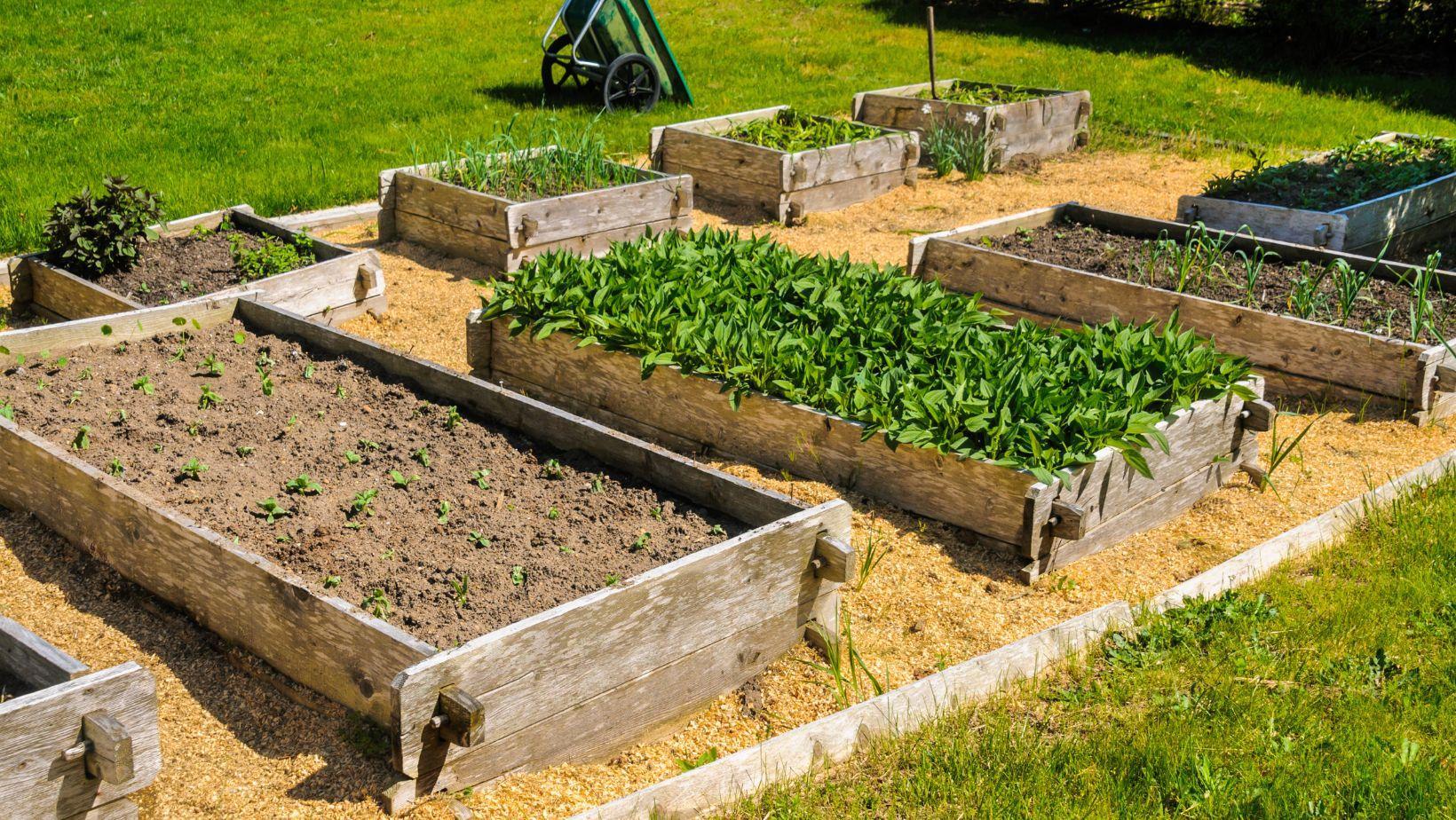

There is a quiet satisfaction in stepping out into the garden with a handful of seeds and a vision for the season. Whether you are expanding your vegetable patches or setting up a series of deep planting boxes, creating your own wooden structures allows you to tailor every square foot to your landscape. Yet, many weekend DIY gardeners invest all their energy into soil amendments and lumber selections while treating the actual assembly hardware as an afterthought.
Exposing untreated or cheap steel to damp soil, seasonal rain, and heavy organic matter is a recipe for premature failure. Within a single growing season, moisture seeps into the wood, causing standard screws to rust, snap, or pull completely free under the immense pressure of wet earth. Building a garden structure that survives more than a couple of summers requires looking closely at what holds those wooden planks together.
Why Soil and Moisture Test Every Connection
Garden soil is heavy, constantly shifting, and surprisingly acidic. Every time you water your beds or a heavy rain passes through, the dirt expands and exerts outward pressure against the walls of the frame. If your corners are secured with weak fasteners, those joints will begin to bow and separate much faster than you might expect.
To prevent your garden boxes from collapsing mid-season, you need to rely on heavy-duty industrial fasteners and hardware engineered specifically to resist corrosion and extreme shear stress. Using exterior-grade, coated screws ensures that the metal can handle constant dampness without bleeding rust into your organic soil or losing its grip.
Designing for Longevity in the Garden
Constructing raised beds that last for years involves more than just picking the right box dimensions. A few deliberate assembly choices make a massive difference in how well your carpentry holds up against the elements.
Choosing the Right Coatings
Standard zinc-plated screws will oxidize quickly when buried in moist garden environments. Look for ceramic coatings, hot-dip galvanized finishes, or stainless steel options designed by Star Fasteners Plus to keep rust at bay. These protective layers act as a shield against the active biology and moisture found in healthy garden soil.
Reinforcing the Corners
Corners take the brunt of the structural load. Instead of simply screwing face boards into end-grain, use robust framing brackets or specialized long-threaded screws that bite deeply into adjacent timbers. This distributes the outward weight of the soil evenly across the entire joint.
Small Details for a Thriving Backyard Space
Maintaining your outdoor growing areas becomes much easier when the underlying framework remains solid year after year. A few preventative habits protect your hard work, ensuring that your timber frames do not succumb to premature shifting or environmental stress. For further guidance on structural stability, soil management, and framing techniques, you can review expert resources outlined by the Penn State Extension.
Ultimately, a successful garden relies just as much on its structural skeleton as it does on sunshine and good soil. By building with dependable materials from the ground up, you can spend less time repairing wobbly beds and more time watching your harvest grow.